
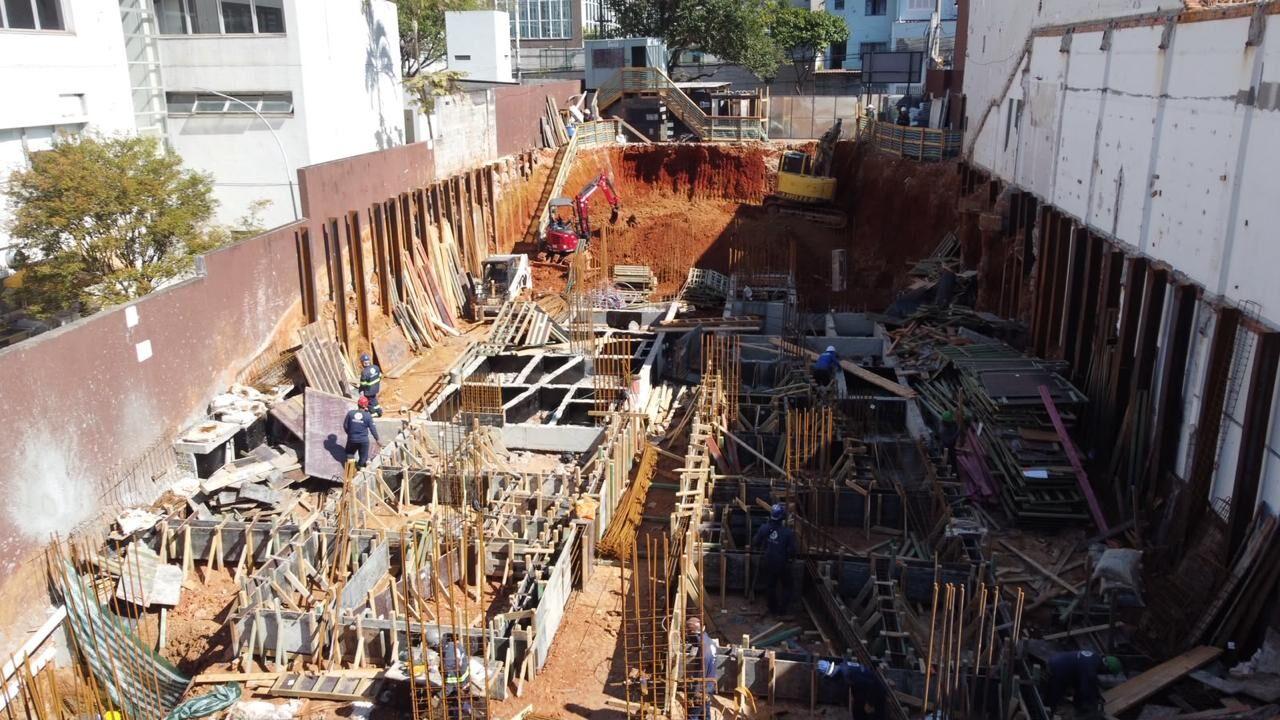
What the ART is
The ART was created by Law No. 6,496/1977. According to article 2 of that law, the ART defines, for legal purposes, who is technically responsible for an engineering, architecture or agronomy undertaking.
In practice, it is a record made in the system of the CREA of the state where the service takes place. It states the responsible professional, the contracted company, the client, the address, the technical activities and the contract value.
Registration procedures currently follow Confea Resolution No. 1,137/2023, which revoked the former Resolution No. 1,025/2009.
When the ART is required
The rule is broad. Article 1 of Law No. 6,496/1977 states that every contract, written or verbal, for the execution of works or the provision of engineering services is subject to an ART. It makes no difference whether the contract was signed or merely agreed.
- Preparation of designs: structural, architectural, electrical, plumbing, mechanical and HVAC
- Execution of new works, extensions and renovations
- Renovations of buildings that alter the structure, installations or safety systems
- Technical reports, surveys, expert examinations and opinions
- Construction management and inspection
- Installation and assembly of electrical and mechanical systems
There is also an ART for professionals who hold a technical position or role in a company or public body. There are therefore two main groups: the ART for a work or service and the ART for a position or role.
Who registers it and who pays
Under Resolution No. 1,137/2023, the professional enters the ART in the CREA system.
- If they work independently or own the company, they enter it and pay.
- If they act on behalf of a company with which they have a formal relationship, they enter it and the contracted company pays the fee.
The record is only valid once it has been entered in the system and paid.
Deadlines: before starting and on completion
The ART for a work or service must be registered before the technical activity begins. Starting work without an ART is irregular.
At the end, the professional must close the ART. Closing it ends the responsibility for the period of the service and forms the basis of the technical portfolio of the professional and the company, used in tenders and proposals.
What happens without an ART
Article 3 of Law No. 6,496/1977 provides that the lack of an ART makes the professional or company liable to the fine in item “a” of article 73 of Law No. 5,194/1966, in addition to other penalties.
For the client, the risk is practical. Without an ART, it is difficult to prove who was technically answerable for the service in the event of a failure, an incident or a dispute. City authorities, the fire department, insurers and power utilities usually require the ART in their procedures.
Why the ART matters to the client
- Traceability: it identifies who is answerable for the design and the execution
- Legal certainty: it records the scope and value of the service
- Compliance: it is required in approvals, tenders and audits
- Quality: it confirms that the service is led by a professional qualified with the council
Checklist: what to check on the ART
- ART number and status (registered and paid); most CREAs allow online lookup
- Name and CREA registration of the professional
- Contracted company and its CREA registration
- Site address matching the one in the contract
- Activities described consistent with the contracted service: design, execution, management or inspection
- Contract value consistent with the budget
- Start date and expected completion date
If the project is designed by one company and executed by another, each must have its own ART.
How EF Engenharia e Soluções works
EF Engenharia e Soluções is registered with CREA and issues an ART for every design, execution, management or inspection service it takes on. The document is delivered to the client before work begins, together with the schedule.
Frequently asked questions
Who registers the ART?
The responsible professional, in the system of the CREA of the state where the service takes place. If they act through a company, the company pays the fee.
Can the client require the ART?
Yes. The contract is subject to an ART by law, and the client can and should ask for the number and proof of registration before authorising work to start.
Does a small renovation need an ART?
If it involves an engineering service, such as electrical, plumbing or structural changes, yes. The law applies to every contract for engineering works or services, written or verbal.
What is the difference between an ART and an RRT?
The ART is registered with CREA by engineers and agronomists. The RRT is the equivalent record for architects, made with CAU.
What does closing the ART mean?
It is the record that the service has been completed. It closes the ART and feeds the technical portfolio of the professional and the company.
Starting a construction project or a design? EF Engenharia e Soluções delivers the service with an ART registered before work begins.
Request a quoteSources
This content is for information only and does not replace the design, technical assessment or advice of a qualified professional. Standards may be updated; always check the version in force.